

Disasters can strike at any time, often without warning, and being prepared can make all the difference. Western Queensland Primary Health Network (WQPHN) has compiled a range of support services and practical resources to help General Practice, Aboriginal Medical Services, individuals, families, and communities respond to and recover from emergencies.
These include information on mental health and wellbeing support, community recovery services, and guides to help you prepare for natural disasters.
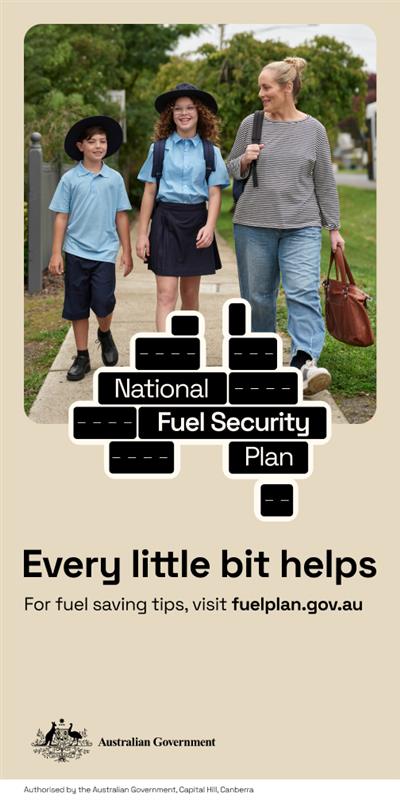
The Australian Government has launched the Every Little Bit Helps campaign as part of measures it is taking to inform Australians about its approach to securing fuel. The campaign informs people about the National Fuel Security Plan, and includes tips for drivers to reduce fuel use through simple actions. The national plan was endorsed by National Cabinet on 30 March 2026 to facilitate a consistent national response and is based on 4 levels – level1 being the lowest and level 4 requiring the strongest action. Australia is currently at Level 2. The advertising campaign is running across a range of channels including television, radio, social, print, digital and out of home. For more information about the National Plan and actions you can take, visit fuelplan.gov.au and follow the Australian Government on Facebook and Instagram.
LEARN MOREPrepare your General Practice, Aboriginal Medical Service and patients for the impacts of disasters. Western Queensland PHN provides a range of resources to help health professionals plan for, respond to, and recover from natural disasters, as well as tools to support their communities during these challenging times.
A series of print-ready posters for your waiting room alerting patients to the affect climate change can have on physical and mental health can be found via RACGP webpage Climate Change and Health – Practice Posters.
The South West Queensland Regional Organisation of Councils (SWQROC) has launched the South West Queensland Fuel Tracker, a new platform providing up-to-date information on fuel availability across Murweh, Paroo, Quilpie, Bulloo, Maranoa, and Balonne, including unleaded petrol, diesel, Jet A1, and avgas. This initiative is designed to support improved planning, reduce uncertainty, and help maintain continuity of travel and service delivery across the region. Given the importance of reliable fuel access in South West Queensland, the Fuel Tracker will be a valuable resource for service providers, community members, and industry partners. fueltracker.swqroc.com.au
Get Ready Queensland as a comprehensive hub for disaster preparedness in Queensland, outlining steps for individuals, households, businesses and communities to take before, during and after natural hazards.
It provides practical guidance such as understanding local risks, creating emergency plans, packing essential kits and protecting homes and assets, along with up to date alerts, warning tools and links to local disaster dashboards.
Periods of extreme heat or heatwaves can pose serious health risks across Western Queensland. In Australia, extreme heat is responsible for more deaths than many other natural disasters. Everyone is at risk of heat-related illness, particularly older adults, young children, people with chronic health conditions, and those working outdoors. It’s important to understand the risks, know who is most vulnerable, and take steps to prepare for and protect yourself, your family, and your community during hot weather events.
The Queensland Government offers financial and housing support for individuals and communities affected by the 2025 flooding events and other natural disasters. To access assistance, visit the Queensland Government website or contact the Community Recovery Hotline on 1800 173 349 for guidance on available grants and support programs.
Patients in areas affected by a declared natural disaster are temporarily exempt from the 12-month existing relationship rule for telehealth. This means they can access MBS-subsidised telehealth services without having had a face-to-face consultation with a GP in the past year.
These exemptions apply to individuals residing in local government areas officially declared natural disaster zones by State or Territory Governments.
Following a disaster, it’s common for people to experience distress, denial, or disbelief. In the days and weeks after an event, many may feel shocked or disoriented, particularly after sudden or severe incidents.
Doctors may also be personally affected by disasters and should prioritise their own health and wellbeing. Exposure to the trauma experienced by patients can lead to emotional strain and fatigue.
To help manage these impacts, doctors are encouraged to:
The Essential Network (TEN) is a free, confidential, Australia wide blended care mental health service run by the Black Dog Institute that supports health professionals (both clinicians and non clinicians) in managing stress, burnout and mental health challenges.
It offers self guided digital tools (such as online checkups, psychoeducation and burnout modules), links to partner services, and access to a clinical telehealth component when more intensive help is needed. The aim is to reduce barriers such as stigma and concerns about reporting, by providing support developed by health professionals for health professionals.
The RACGP webpage on natural disasters provides guidance and resources for general practices to prepare for, respond to, and recover from emergencies such as floods, storms, and other disasters. It includes practical tools for emergency planning, advice on telehealth exemptions for disaster-affected patients, strategies for identifying and supporting patients at risk of ongoing distress, and guidance for GPs on delivering care during and after disasters. The page also addresses the wellbeing of healthcare providers, offering tips for self-care, peer support, and managing the impact of traumatic experiences, as well as information on accreditation and medico-legal considerations for disaster-affected practices.
Lifeline's Support Toolkit is a comprehensive collection of helpful resources designed with you in mind. It features easy-to-understand, trusted information, practical steps you can take, and a range of tools, services, and personal stories to connect with. Among these resources, you'll gain a deeper understanding of the mental health impacts of extreme weather events and explore effective strategies for managing stress and building resilience before, during, and after a natural disaster.
Service
Phone Number
Availability
Notes
RACGP The GP Support Program (Telus Health)
24/7
Service is available to all RACGP members who are registered medical practitioners across Australia
Bush Support Line
24/7
Support for current and emerging remote and rural health workforce and their families.
Multicultural Connect Line
9:00am – 4:30pm, Monday-Friday
Support for people from multicultural backgrounds
ACRRM Online Courses: Provides training on approaches to care and supporting children and families, with a focus on natural disaster readiness and recovery in rural and remote settings.
Sharing Rural Stories: Webinars and Podcasts from the Rural Doctors Foundation
The Rural Doctors Foundation is highlighting the lived experiences of rural GPs through its webinar and podcast series.
In Rebuilding After the Flood, Dr Michael Clements reflects on the 2019 Townsville flood, while Dr Bruce and Dr Kathy Chater share their experience rebuilding after the Theodore flood destroyed their practice.
The podcast GPs in a POD – Caring for our Rural Health Practitioners explores how the Foundation supports the wellbeing of rural doctors, recognising the importance of looking after those who care for others.
CRANAcast: Supporting Your Wellbeing
The CRANAplus Podcast is here to support those working in rural, remote, and isolated areas. Each episode features host Drew Radford in conversation with a psychologist or mental health professional, exploring different topics around mental health and wellbeing.
You'll hear practical strategies and advice to help you navigate the unique challenges of both work and home life. Whether you're in the car between clinics, flying out to your next destination, or taking a moment to recharge, CRANAcast is your go-to companion for mental health support on the go.
Remember to call the TIS National free interpreting service on 131 450, to support non-English speaking clients. To register for the Free Interpreting Service, complete the client registration form.


Western Queensland PHN acknowledges the traditional owners of the country on which we work and live and recognises their continuing connection to land, waters and community. We pay our respects to them, their cultures, and to elders past and present.
While the Australian Government Department of Health, Disability & Ageing has contributed to the funding of this website, the information on this website does not necessarily reflect the views of the Australian Government and is not advice that is provided, or information that is endorsed, by the Australian Government. The Australian Government is not responsible in negligence or otherwise for any injury, loss.
